



Published: 17.05.2026.
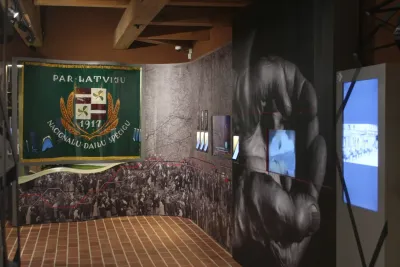
The exhibition in the House of Corvée-peasants of the Turaida Estate “On the Way to the State of Latvia. Corvée-peasant. Independent Farmer. Citizen” reflects the developments of the 19th century and early 29th century in the territory of Latvia, mainly..
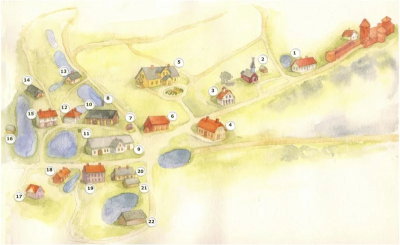
The origin of estates in Latvia dates back to the time when the first stone castles were built in Livonia and the first cloisters were established, and they needed revenues. So-called castle districts were established around the castle of the archbishop..
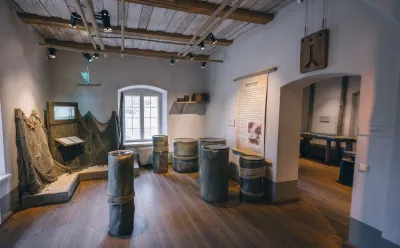
The Turaida Museum Reserve is in the central part of the territory that was governed by the Livs of Turaida in ancient times. The exhibition “The Livs of the Gauja in Latvia’s Cultural History” speaks to the culture of the Liv people who populated the..
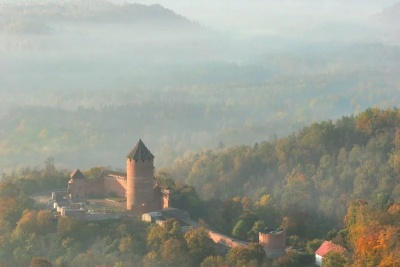
Building of Turaida Castle was started in 1214 at the command of Albert, the Bishop of Riga, on the site, where previously was located the wooden stronghold of the Livs. In the Middle Ages Turaida Castle was one of the Archbishop`s castles of economic..
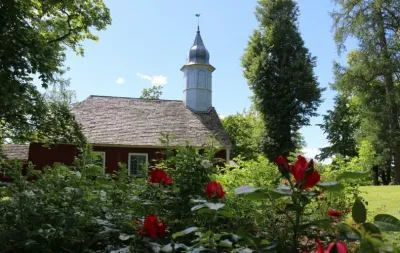
The Turaida church and its contents are a part of Latvia’s sacral cultural heritage. The church is typical of Lutheran houses of worship built in Vidzeme during the mid-19th century. The church has an altar with a little fence around it, a pulpit..
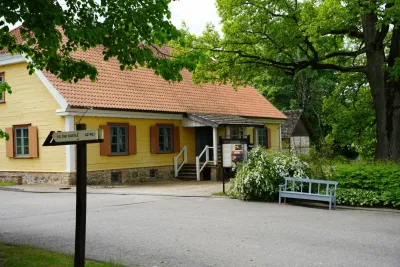
As the economic operations of the Turaida Estate expanded, a house was built in the early 19th century (around 1810) for the governor of the estate and his servants. It was a log building with so-called smooth corner connections. The ridged room is..