
Dynamic educational sessions for students in grades 7–12 that combine natural sciences, mathematics, research skills, and civic engagement. Examples include: 

  • Comparing the diversity of deciduous trees 
  • Measuring and comparing timber volume 
  • Investigating aquatic invertebrate diversity 
  • Folk Song (Dainu) Hill — a Place for Participation 

Please book activities at least three working days in advance: 
Phone: +371 20277930 
Email: ija.kivlina@tmr.gov.lv   jāliek citu kontaktu, jo Ija nekontaktē angliski 

For biodiversity-related programmes, Fridays are recommended, as environmental specialists are involved in delivering the activities. 

Visits are funded for partner educational institutions within the project No. 4.2.2.1/1/25/I/001 “STEM and Civic Participation Activities for Broader Educational Experience and Career Choice”, implemented by the State Education Development Agency and supported by the European Social Fund Plus and the Latvian State. 
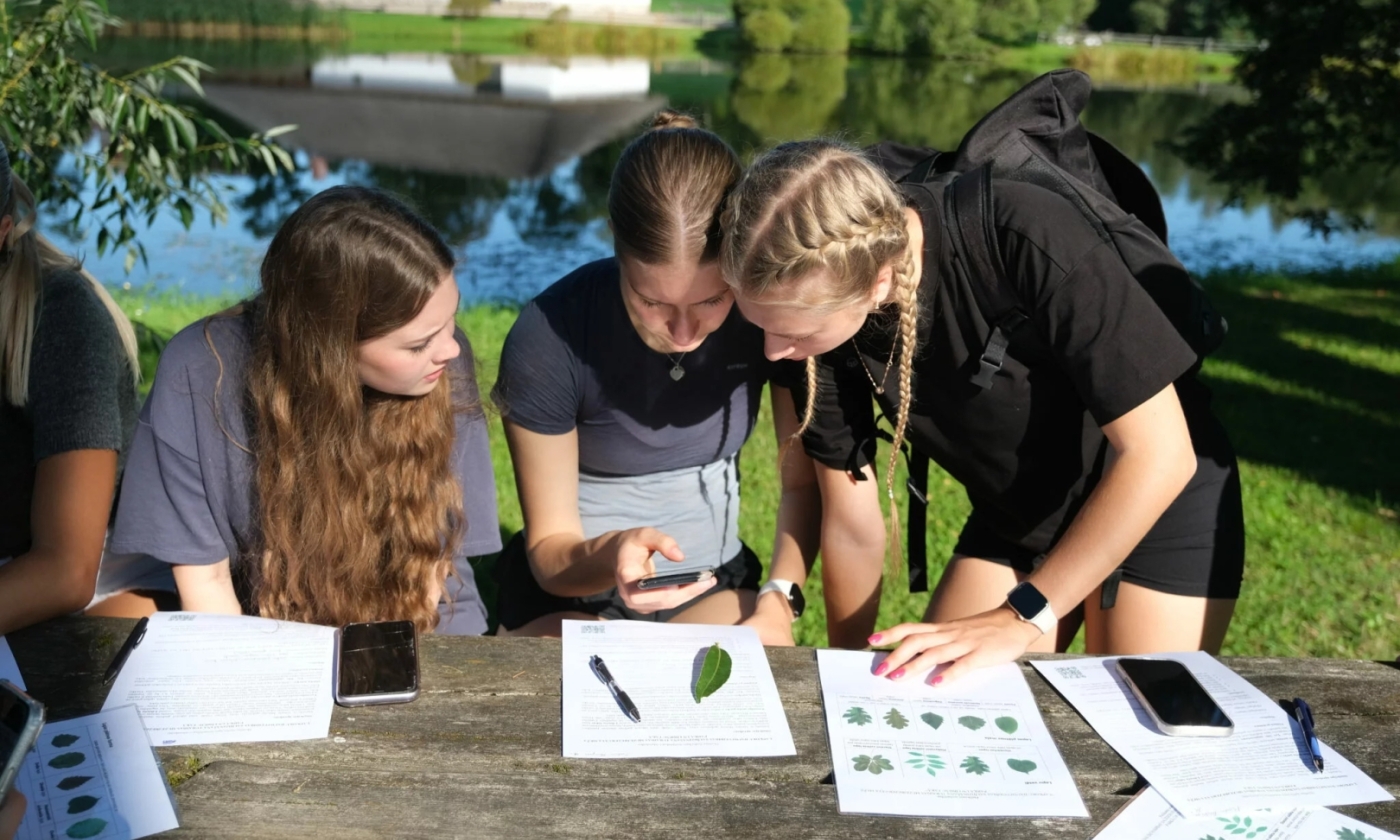
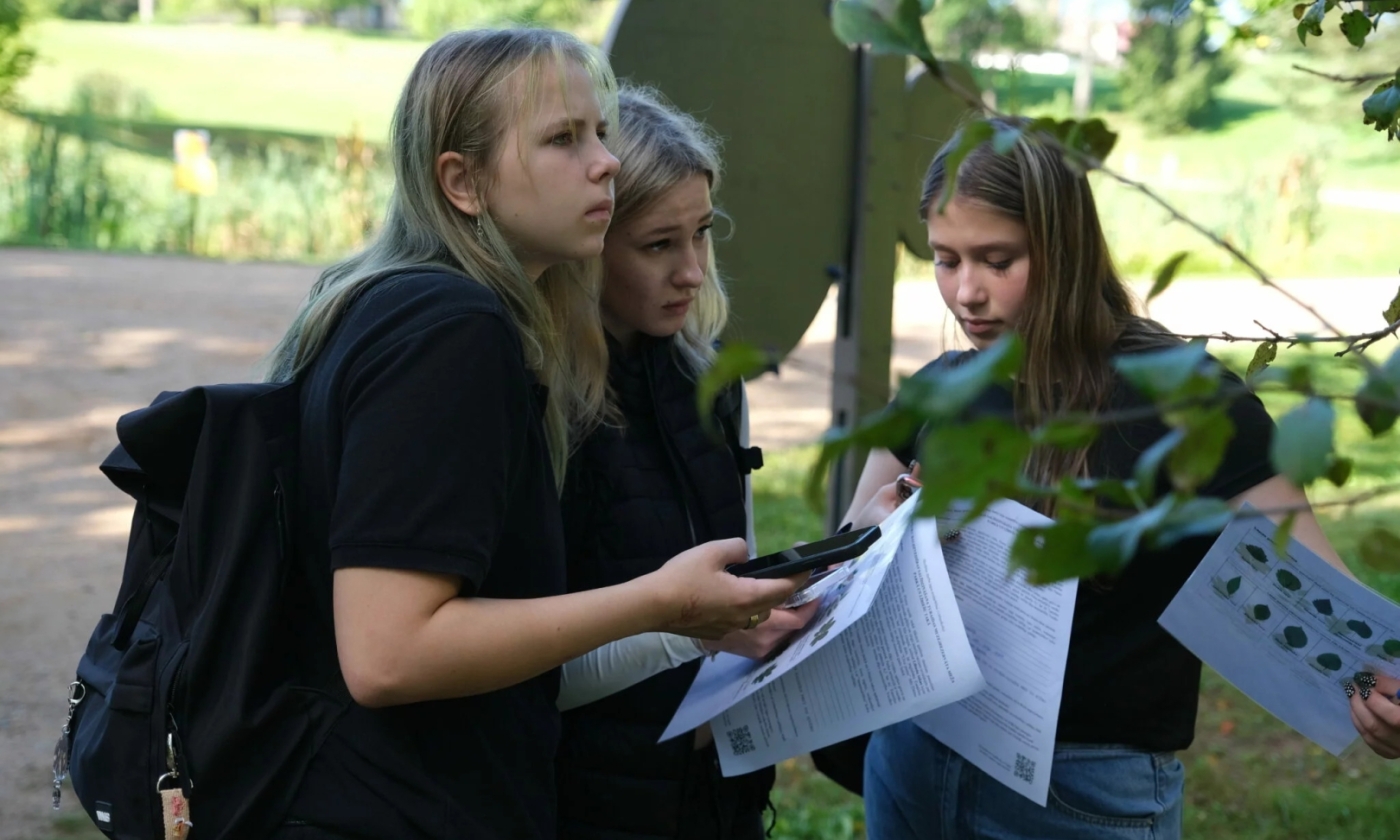
Lapkoku daudzveidības salīdzināšana. Skolnieces pēta lapas ar koku shēmām.

Comparing the Diversity of Deciduous Trees

Designed for school-age students in grades 7–9. The aim of this activity is to deepen students’ understanding of ecosystem types, how organisms adapt to different environments, the relationships between organisms, and the importance of preserving biodiv
Lapkoku daudzveidības salīdzināšana. Skolnieces pēta koku lapas.

Comparing the Diversity of Deciduous Trees (Grades 10–12)

Designed for students in grades 10–12. Students become familiar with the most common tree species (genera) found in Latvia. The use of research methods in this activity — comparing species diversity — encourages participants to engage more deeply with t
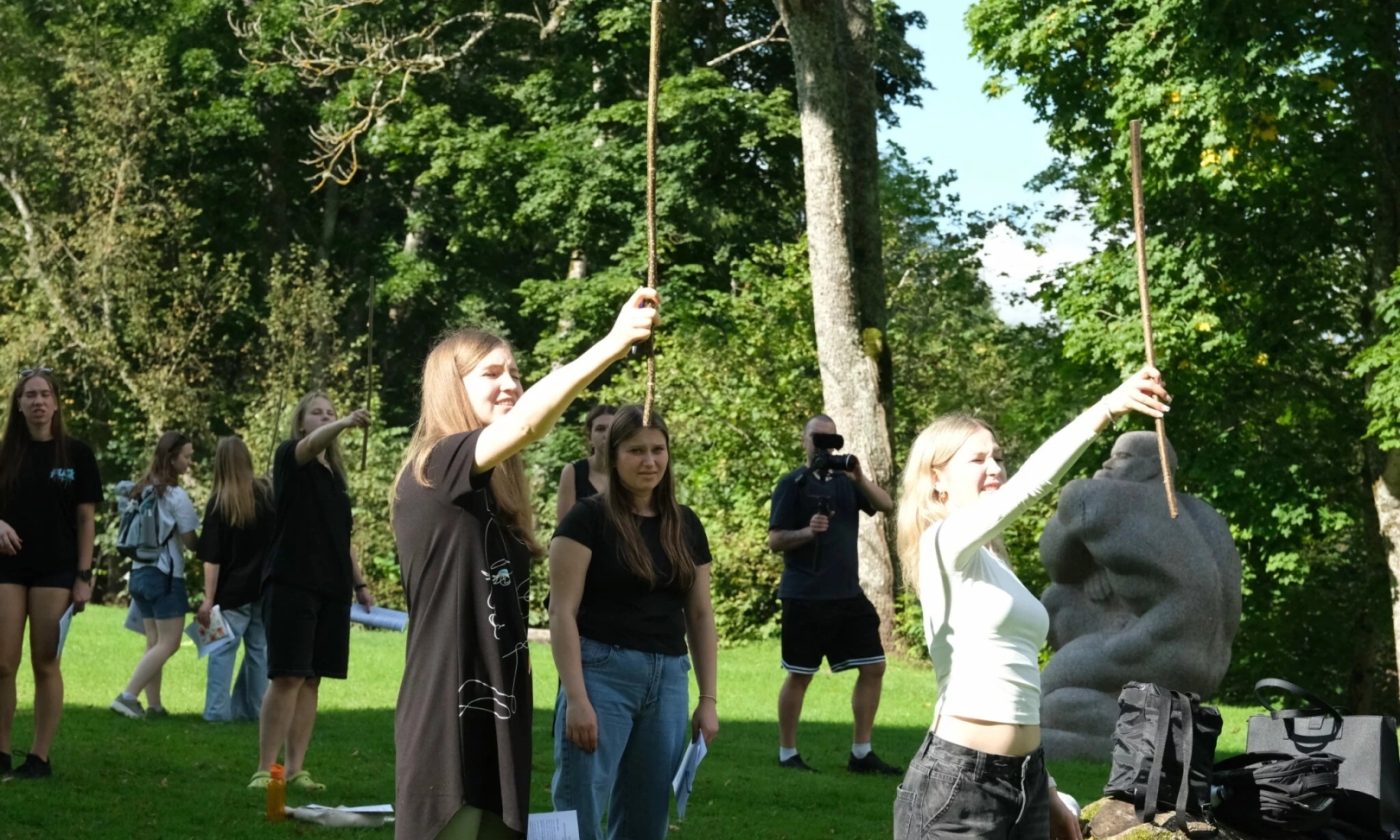
Koksnes krājas salīdzināšana. Skolnieki pēta koku zarus

Comparing Timber Volume (Grades 7–9)

The aim of this activity is to learn a method for determining tree height by combining skills from natural sciences and mathematics. The use of research elements in the activity encourages students to engage more deeply in the tasks and develop a stronger
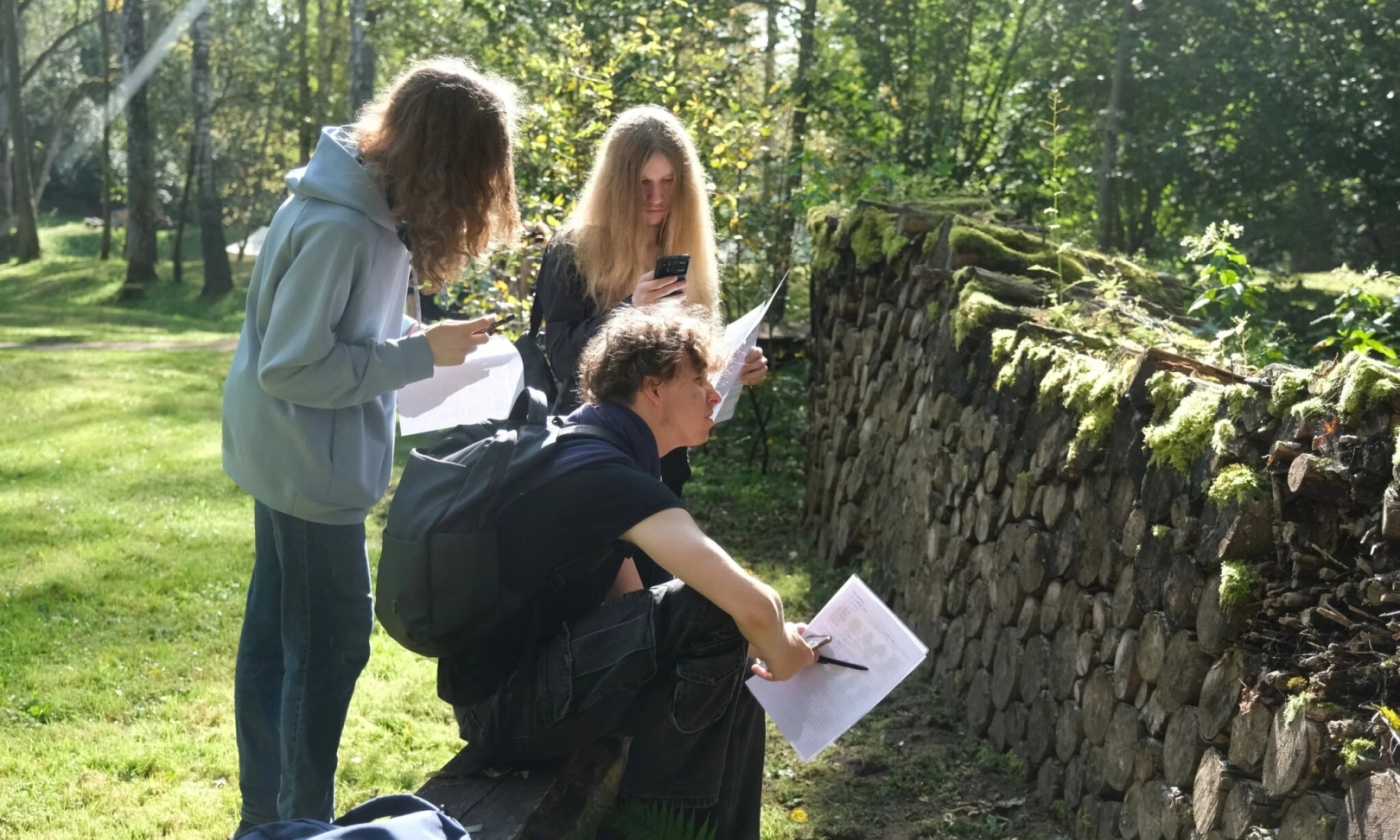
Koksnes krājas salīdzināšana. Skolnieki pēta koku stumbrus.

Comparing Timber Volume (Grades 10–12)

During the activity, students learn how to conduct field research in a natural environment. Working in groups in the Turaida Museum Reserve forest park, they measure the height of ten trees of different species using a Bormann measuring stick and a hypsom
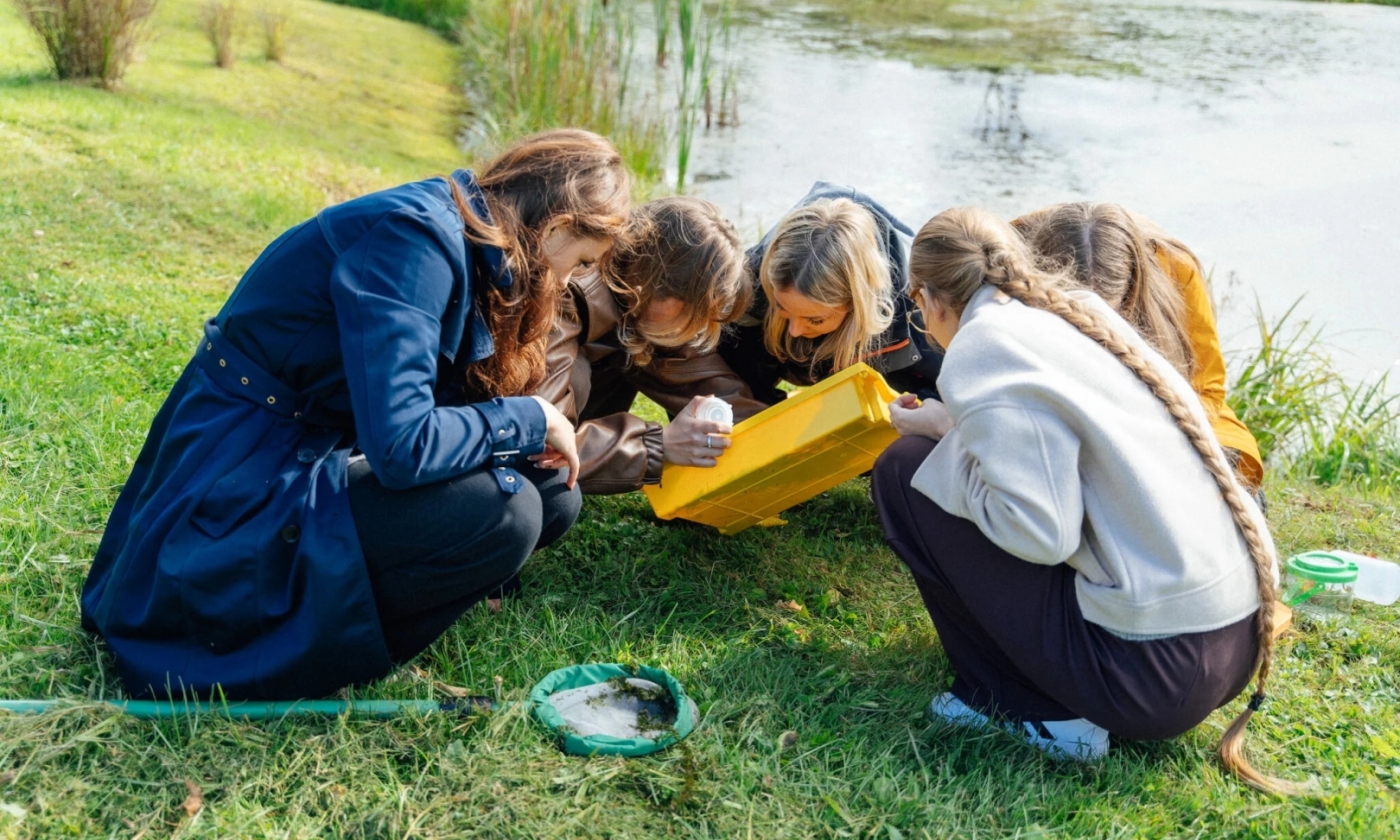
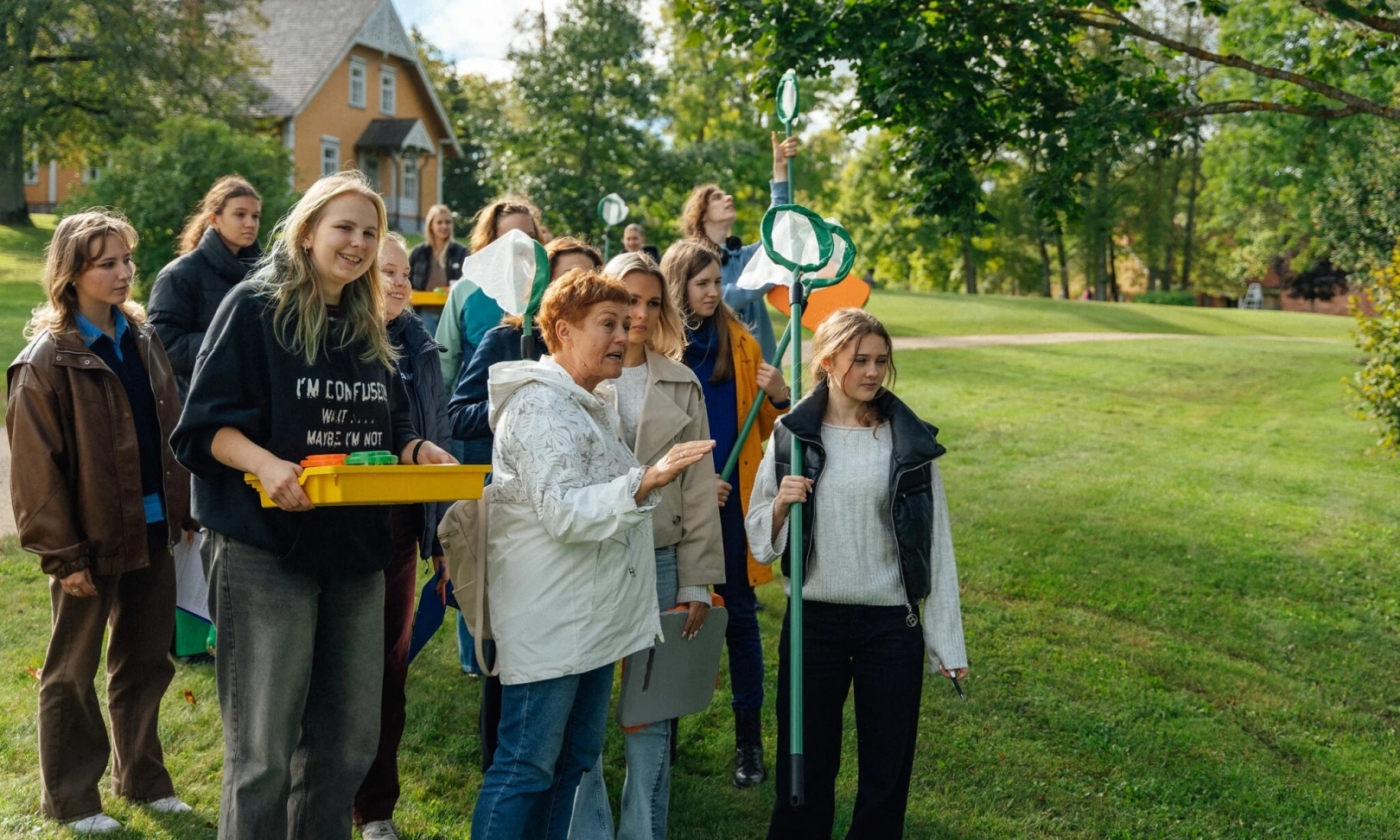
Ūdenstilpnēs sastopamo bezmugurkaulnieku daudzveidības salīdzināšana. Skolnieki pēta bezmugurkaulniekus.

Comparing the Diversity of Aquatic Invertebrates and Assessing Water Quality (Grades 7–9)

The aim of this activity is to deepen students’ understanding of ecosystem types, the adaptation of organisms to different environments, relationships between organisms, and the preservation of biodiversity.
Ūdenstilpnēs sastopamo bezmugurkaulnieku daudzveidības salīdzināšana. Skolnieku grupa klausās vadītājas stāstījumā.

Comparing the Diversity of Aquatic Invertebrates and Assessing Water Quality (Grades 10–12)

The aim of this activity is to develop a deeper understanding of the environment and evolutionary changes in organisms. Students investigate organisms within a defined area and model food webs in order to evaluate the influence of abiotic, biotic, and hum
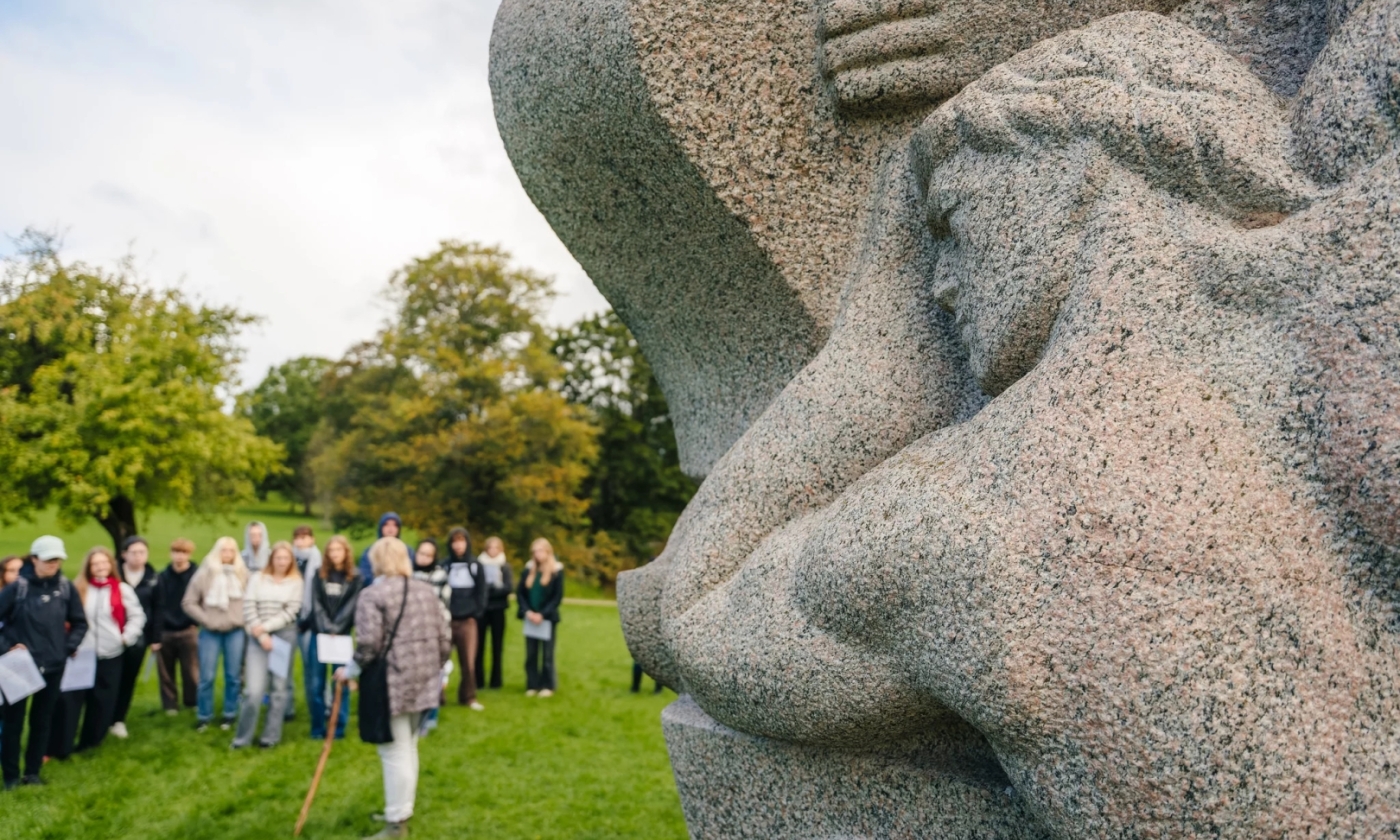
Dainu kalns –  vieta līdzdalībai. Skolnieku grupa Dainu kalna parkā klausās vadītājas stāstījumā.

Folk Song (Dainu) Hill — A Place for Participation (Grades 10–12)

The aim of the programme is to strengthen students’ sense of belonging and the understanding that every individual has value and can influence processes in society. The central research question explores the identity of Dainu Hill and its possible future