The Erasmus+ KA122-ADU
No. 2025-1-LV01-KA122-ADU-000336268
Turaida Museum Reserve has concluded the Erasmus+ project “Closer to the Museums, Closer to the People”, under which museum staff took part in job shadowing mobilities at museums in Slovenia, Croatia, and Poland.
A total of 15 staff mobilities were carried out. Five staff members visited each partner institution, exploring foreign colleagues' practices in museum accessibility and inclusion, educational work, exhibitions, and communication management.
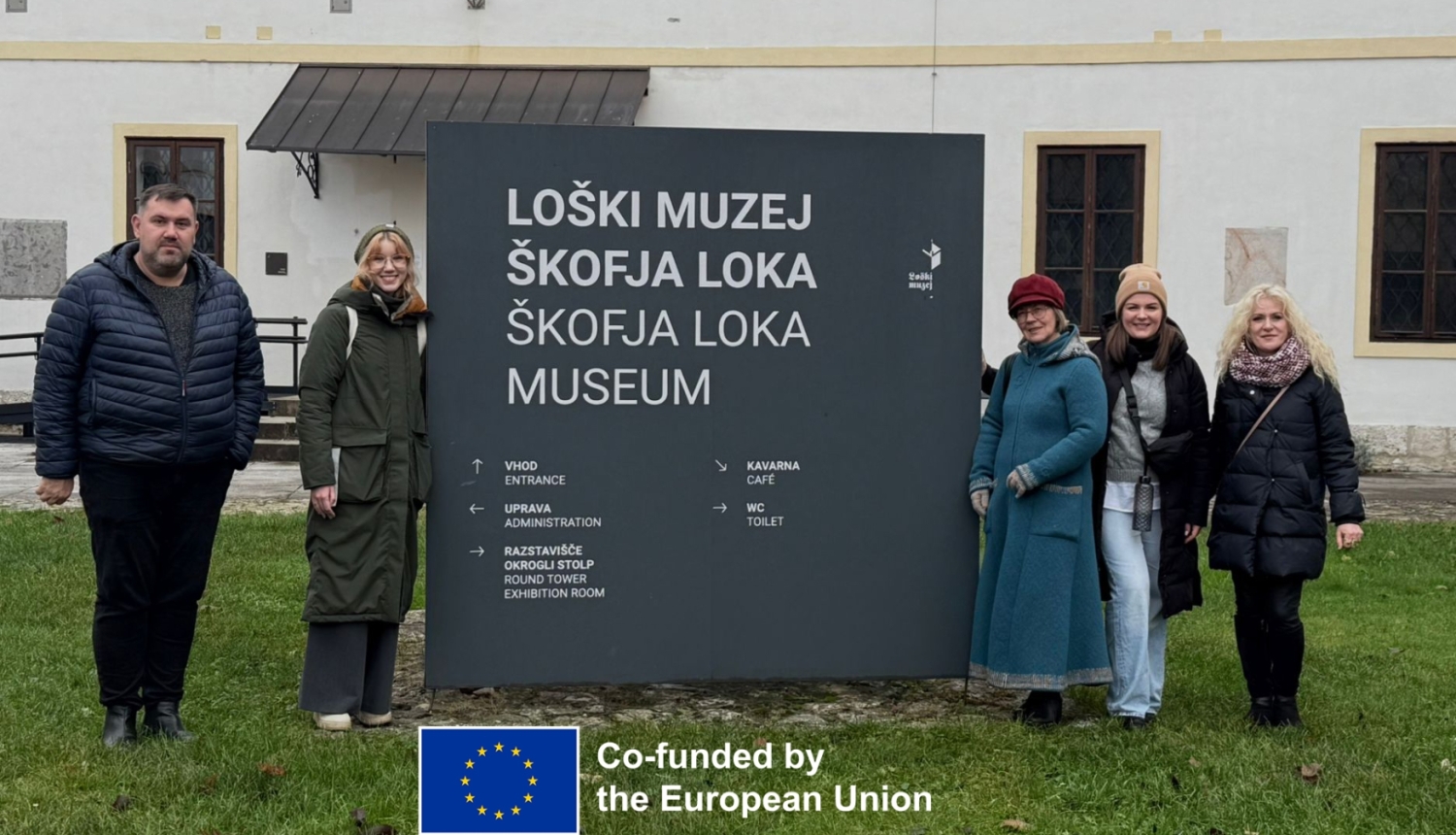
The job shadowing mobilities took place at the Loški muzej Škofja Loka in Slovenia, the Vučedol Culture Museum in Croatia, and the National Museum in Lublin, Poland.
During the mobilities, museum staff explored various solutions for creating a more accessible museum environment and exhibitions, such as the use of easy language and Braille, tactile elements and floor plans for people with visual impairments, physical environment accessibility solutions, and cooperation with diverse community groups and specialized institutions when developing and testing museum services.
A significant part of the project involved learning about foreign museum practices in engaging diverse audiences. Participants explored educational activities for people of various ages with intellectual disabilities, outreach services for individuals unable to visit the museum in person, and the adaptation of educational programs and workshops for different age groups.
The mobilities also offered insights into how museums organize cooperation and communication with various audiences. Providing clear accessibility information on museum websites and other digital platforms proved essential, allowing visitors to assess the museum’s suitability for their needs prior to their visit.
Following the mobilities, the acquired knowledge was shared with colleagues at Turaida Museum Reserve through peer-exchange presentations. The insights and ideas gained will be used to enhance museum displays, exhibitions, educational activities, and engagement with diverse public groups. Work on the existing educational offer is already underway.
At the same time, the project enabled the establishment and strengthening of professional contacts with museum colleagues in Slovenia, Croatia, and Poland, laying the groundwork for future international collaboration and knowledge exchange.
Project implementation period: June 1, 2025 – August 31, 2026.
Project manager: Justīne Timermane
Co-funded by the European Union.