


Target group: students in grades 7–9
The aim of the activity is to deepen students’ understanding of different ecosystem types, the adaptation of organisms to various environments, relationships between organisms, and the preservation of biodiversity. The programme also encourages sustainable and environmentally friendly habits.
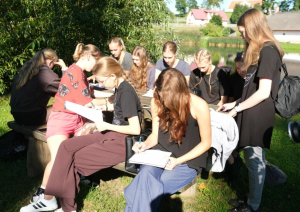
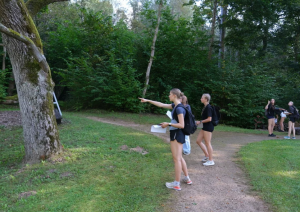
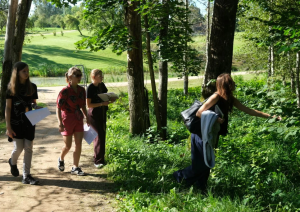
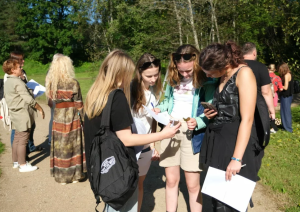
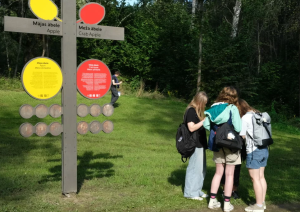
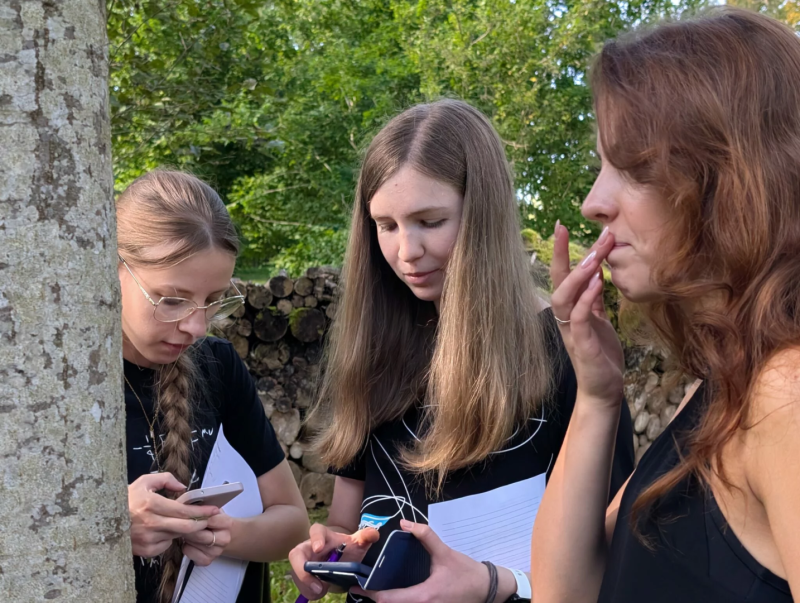
Students become familiar with the most common tree species (genera) found in Latvia. Working in groups, they investigate habitats using worksheets and an interactive online tree identification tool. At the end of the activity, participants summarise their findings in the Museum Reserve’s forge building, comparing data, reflecting on observations, and drawing conclusions.
Linked to the Grade 9 Biology topic: “How are organisms connected to the environment in which they live?”
During the field study, students learn how to carry out research in nature using route-based observation (a fixed-length survey route) as an alternative to the sample-plot method. They also practise using plant identification guides and recognising key morphological features of plants.
Learning Outcomes
Participants will:
- identify deciduous trees found in the Turaida forest park using identification guides and classification schemes,
- develop teamwork skills while solving simple scientific problems,
- share resources and responsibility for the results,
- understand the value of cooperation and collective effort.
An additional benefit of the activity is that students gain practical familiarity with the most common tree species in Latvia.
Participation Information
Fee per student: €3.00 + museum admission ticket
(Seasonal admission: €2.00 from 1 May to 31 October)
Duration: 120 minutes (2 hours)
Group size: up to 30 participants
Season: May – October
Photo: by Maira Dudareva